What Is PRP Therapy?
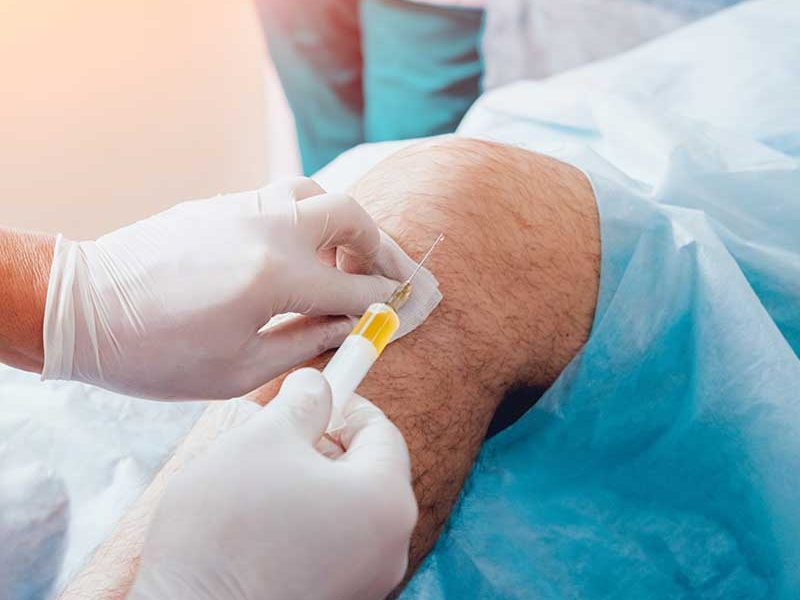
PRP therapy involves drawing a small amount of your blood, processing it to concentrate specific components, and then reintroducing it into a targeted area.
These components—primarily platelets—play a role in signaling and supporting the body’s natural healing response.
PRP has been used in a variety of clinical settings, particularly for musculoskeletal concerns and soft tissue injuries.
What PRP May Help Support
PRP therapy may be considered for individuals dealing with:
- Chronic or lingering injuries
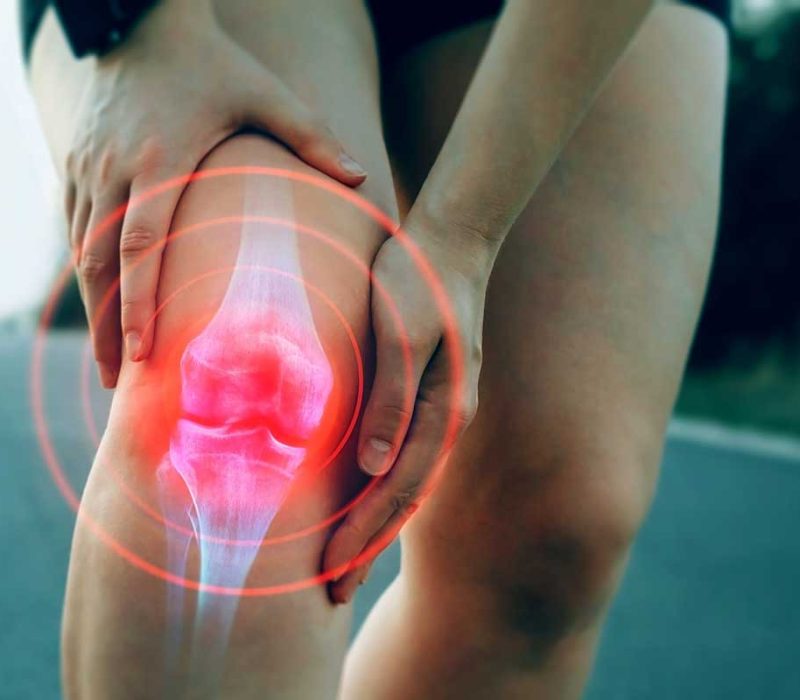
- Tendon-related discomfort (e.g., elbow, knee, shoulder)
- Joint irritation or overuse injuries
- Soft tissue strains that have not fully resolved
It is most often explored when symptoms have persisted despite more conservative measures.
A Structured, Individualized Process
At Steel Health and Hormones Centre, PRP is not approached in isolation. We evaluate:
- Your symptoms and injury history
- Activity level and goals
- Overall health profile
- Other contributing factors (including recovery, hormones, and lifestyle)
This allows us to determine whether PRP is an appropriate adjunct to your broader treatment plan.
If you’re unsure whether PRP fits your situation, fill out the contact form down below and we’ll be in touch within 24 hours.
Frequently asked Questions
As we age, recovery capacity can decline. Factors such as:
- Reduced tissue resilience
- Slower healing response
- Accumulated wear and tear
can all contribute to injuries that linger longer than expected.
PRP is sometimes considered in these situations to support the body’s natural repair processes, particularly when progress has plateaued.
PRP therapy is not a guaranteed solution, and outcomes can vary based on:
- The type and severity of the injury
- Overall health and recovery capacity
- Adherence to post-procedure recommendations
It’s important to approach PRP with realistic expectations and a clear understanding that results are individualized.
All treatment decisions are made on a case-by-case basis, in accordance with current medical standards and clinical judgment.
Patients across Delmont, Greensburg, Murrysville, Westmoreland County, and the greater Pittsburgh area choose us because we:
- Take a clinical, individualized approach
- Integrate PRP into a broader recovery and optimization strategy
- Focus on identifying and addressing root causes
- Provide ongoing guidance—not just a procedure
- Prioritize safety, appropriateness, and long-term outcomes
Our goal is not just to treat symptoms—but to help you move and perform with fewer limitations.
Because PRP is derived from your own blood, it is generally well-tolerated when performed in an appropriate clinical setting.
This varies depending on the condition and individual response. Some patients require multiple treatments.
Response time varies. Some individuals notice gradual improvement over weeks to months.
No. PRP is often used alongside other strategies such as physical therapy and activity modification.
No. Outcomes vary, and PRP may not be effective for every condition.
Men and women with persistent or unresolved injuries or new injuries may be candidates, depending on evaluation.
We provide PRP therapy in our office located in Delmont, PA, serving Westmoreland County, Greensburg, Murrysville, and the greater Pittsburgh area.
Find Out If PRP Therapy Is Right for you
If you’re dealing with an injury that hasn’t improved the way you expected, it may be time to explore additional options within a structured, medically guided plan. Fill out the contact form down below and we’ll be in touch within 24 hours.